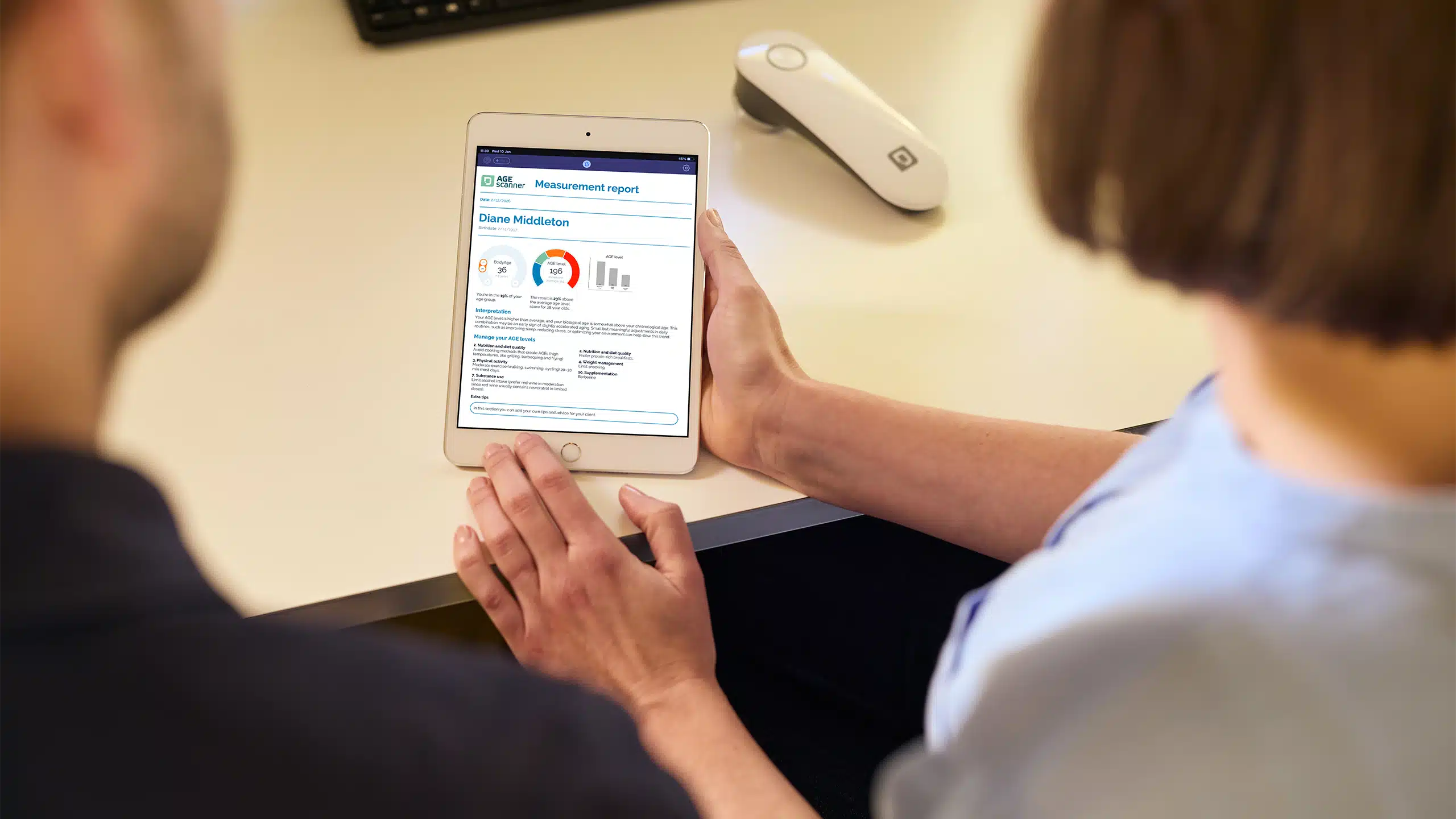
Why biological age tells a different story about health
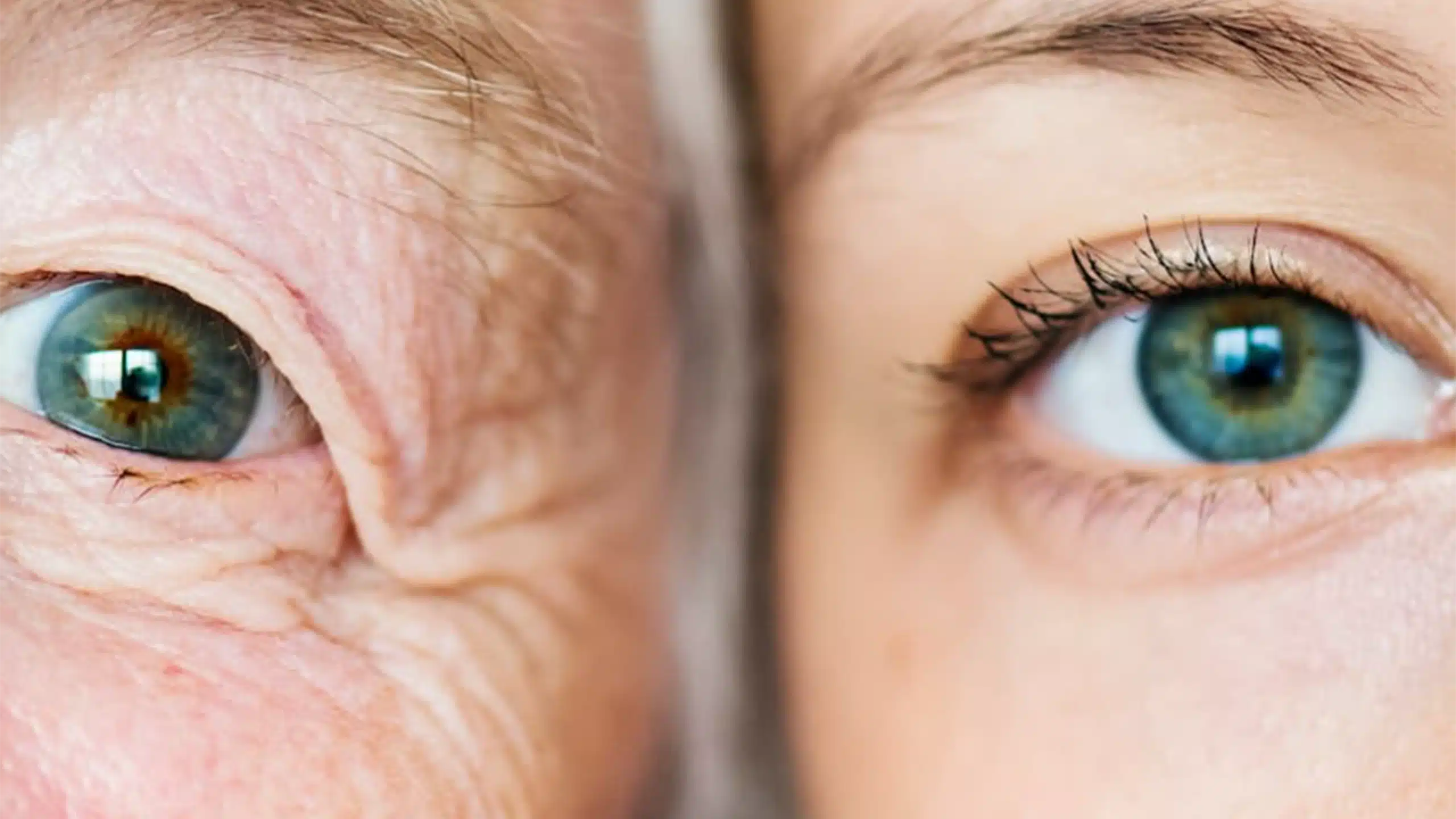
Biological vs. Chronological Age
Most people judge their health by how they feel: their energy, their sleep, how they cope with a stressful week. But behind those everyday sensations lies something far more telling: the pace at which their body is aging. Biological age captures that pace, and AGEs are one of the clearest reflections of it.
A clearer picture than birthdays can give
Chronological age says nothing about how the body is actually doing. Two people may be the same age on paper, yet one feels resilient while the other struggles with fatigue or slow recovery. Biological age helps explain that difference in a way clients instantly understand.AGEs accumulate quietly over time. They reflect the long-term impact of food, stress, sleep and daily habits. When clients see their AGE result for the first time, the reaction is often one of recognition: “This makes sense.”
Why clients connect so strongly to AGE insights
AGE results don’t feel theoretical. They are personal. When levels are higher than expected, the message becomes tangible without being alarming. When they are lower, clients feel encouraged that their habits are already protecting their health.That moment of clarity becomes a powerful anchor for change. Instead of broad advice like “try to eat healthier,” the conversation becomes grounded in the client’s own biology. This makes the guidance feel relevant rather than generic.
Turning insight into motivation
Once clients understand their biological age, they often feel more motivated to start, or restart, lifestyle changes. Therapists then introduce simple, realistic steps around food, stress, movement and sleep that fit with the client’s daily life.Over time, follow-up AGE measurements give clients something they rarely get: visible confirmation that their efforts are making a difference. Even a small improvement helps them feel in control and builds confidence that change is possible.
A gentle but powerful tool
Biological age doesn’t replace lab tests or professional assessments. What it adds is a way for clients to see how their choices shape their health in the long term. That insight creates focus, reassurance and hope; the ingredients behind sustainable lifestyle change.
More posts